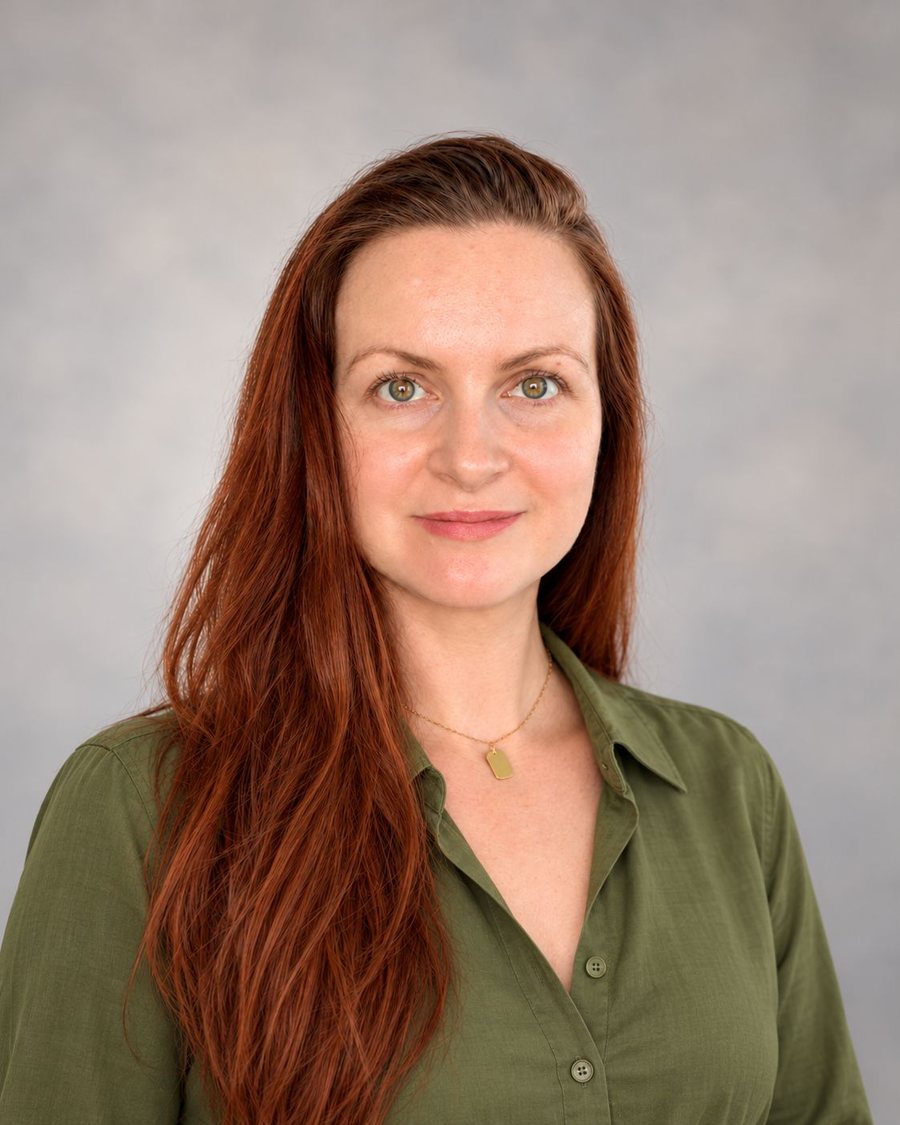
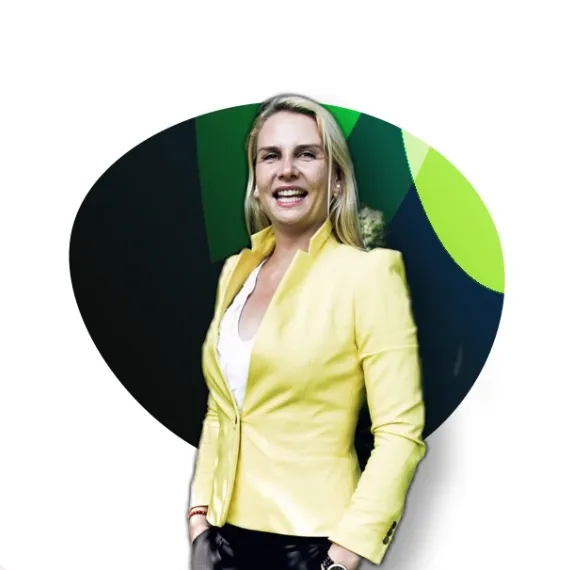
Starbeam Capital Co-founder, Karolina Lewandowska seeks pitches from early-stage, IP-heavy, science-based B2B hardware solutions
Karolina Lewandowska never planned on becoming a venture capitalist: “As someone who has always been passionate about protecting the environment and renewable energy, I never imagined I’d end up in venture capital.” she says.
She thought she would spend her career working hands-on in renewable energy…but life often has other plans.
Her journey into green techpreneurship started in the world of science, earning degrees in Physics and Renewable Energy Engineering before spending 15 years leading large-scale energy projects around the globe. She was completely immersed in the technical side of things—designing, building, problem-solving. But a personal health setback forced her to step back and reassess her priorities. That pause became a turning point. “I shifted my focus to giving back.” Karolina realized she wanted to do more than just work in the field—she wanted to help shape its future.
That realization led her down an entirely new path. Throughout her globetrotting career, Karolina couldn’t help but notice a pattern: female founders faced immense challenges in securing funding. “I noticed the stark inequality in funding for female-led startups, which inspired me to found She Leads, a community supporting women in tech and deep-tech entrepreneurship.”
But she didn’t stop there. She had a lightbulb moment: venture capital could be the missing link between groundbreaking scientific innovation and real-world impact. While studying private market investments at Oxford, StarBeam Capital was born—a deep-tech VC fund investing in the future of energy and space. “We don’t just fund innovation,” Karolina says. “We champion diversity.” With a 50% female-led team, StarBeam is on a mission to shake up the VC industry, ensuring that bold, transformative ideas—regardless of who’s leading them—get the backing they deserve.
For Karolina, investing isn’t just about financial returns; it’s about rewriting the playbook for what a successful founder looks like and making sure the best ideas get the chance to change the world.
Her life philosophy aligns with the quote attributed to Nelson Mandela…“It always seems impossible until it’s done.”
What attracts you to the cleantech/greentech investing space?
I fell in love with renewable energy early on, fascinated by the potential of wind turbines when they were still in their early development stages. After 15 years in the energy sector, I remain passionate about the energy transition.
I strongly believe that hardware-based climate solutions are essential for tackling the climate crisis. This is a problem of atoms — excessive carbon dioxide and other greenhouse gases — and solving it requires real-world, hardware-driven solutions, not just software.
Yet most VC investment in cleantech goes into software, because many investors lack an engineering background. At StarBeam Capital, we believe in doing both: delivering strong returns while investing in the hardware startups needed to drive real climate impact.
What kind of company would you like to receive pitches from?
Our focus areas include energy, space, and Industry 4.0/5.0 technologies, excluding biomaterials, pharma and med-tech. We collaborate with universities, research centres and industry experts to identify and source groundbreaking innovations.
Can you share an example of the worst and best pitch you’ve ever seen?
The best pitches tell a compelling story. They’re ambitious, well-researched and grounded in reality. Founders should balance technical details with a clear business case.
The worst pitches are disorganised or overly technical, lacking a commercial focus. If you can’t present a coherent slide deck, how will you run a company?
What are the necessary ingredients for a successful investor–founder relationship?
Transparency is essential. Problems arise in every startup, but founders should not hide them. Investors can help solve issues, and bringing them to the table early is far better than pretending everything is fine. Admitting temporary failures is better than risking investors finding out from other sources.
What areas of climate tech do you see as having the biggest growth potential in coming years?
I believe several areas are set for significant growth:
- Grid expansion and stability: AI-driven energy demand will require a larger, more stable grid. Grid reconductoring — replacing old transmission lines with advanced cables — will increase capacity and efficiency.
- Generation and storage: Hydropower, geothermal and advanced nuclear will play a larger role, while innovations like solid-state batteries and gravity-based storage will improve energy storage. Space-based solar power could also surprise us and emerge as a new player.
- Carbon removal and industrial decarbonisation: Cutting emissions in industries like steel, cement and chemicals is crucial.
- Smart grids and AI: AI will optimise energy production, predict demand and improve grid stability across renewable energy sources.
What are you most proud of?
I’ve learned to take pride in incremental progress. Every day, I celebrate small wins, whether it’s closing a deal, supporting a founder or making a meaningful impact. Success isn’t just about big achievements; it’s about consistent, purposeful action.
How would you describe your life philosophy?
I believe in breaking norms, innovating boldly and acting for the greater good. Democratising access to knowledge and opportunities, regardless of gender or race, is at the core of what I do.
What do you do when it’s time to unwind?
I’m a big fan of martial arts, especially Muay Thai. I frequently travel to Thailand for training and sparring sessions, which help me recharge. In fact, I’ll be heading to Asia soon, combining startup scouting in Hong Kong and Singapore with a training stop in Thailand — a perfect mix of business and personal growth.
In 10 years’ time, Karolina sees herself “doing what I love — analysing deals, investing in complex global projects, and raising more funds to support groundbreaking startups. I’ll continue to focus on energy and tech, driving both innovation and diversity in venture capital.”